

Non-surgical spinal decompression has become an increasingly popular therapy for people seeking relief from chronic low back pain, disc herniations, sciatica, and related conditions. Many patients report significantly improved mobility and comfort after a series of treatments. But an important question naturally follows: Is spinal decompression safe?
The short answer is yes, spinal decompression is generally considered a safe, non-invasive therapy when performed by a trained professional. Let’s explore what current research says about its safety and how it fits into modern spine care.
What Is Spinal Decompression?
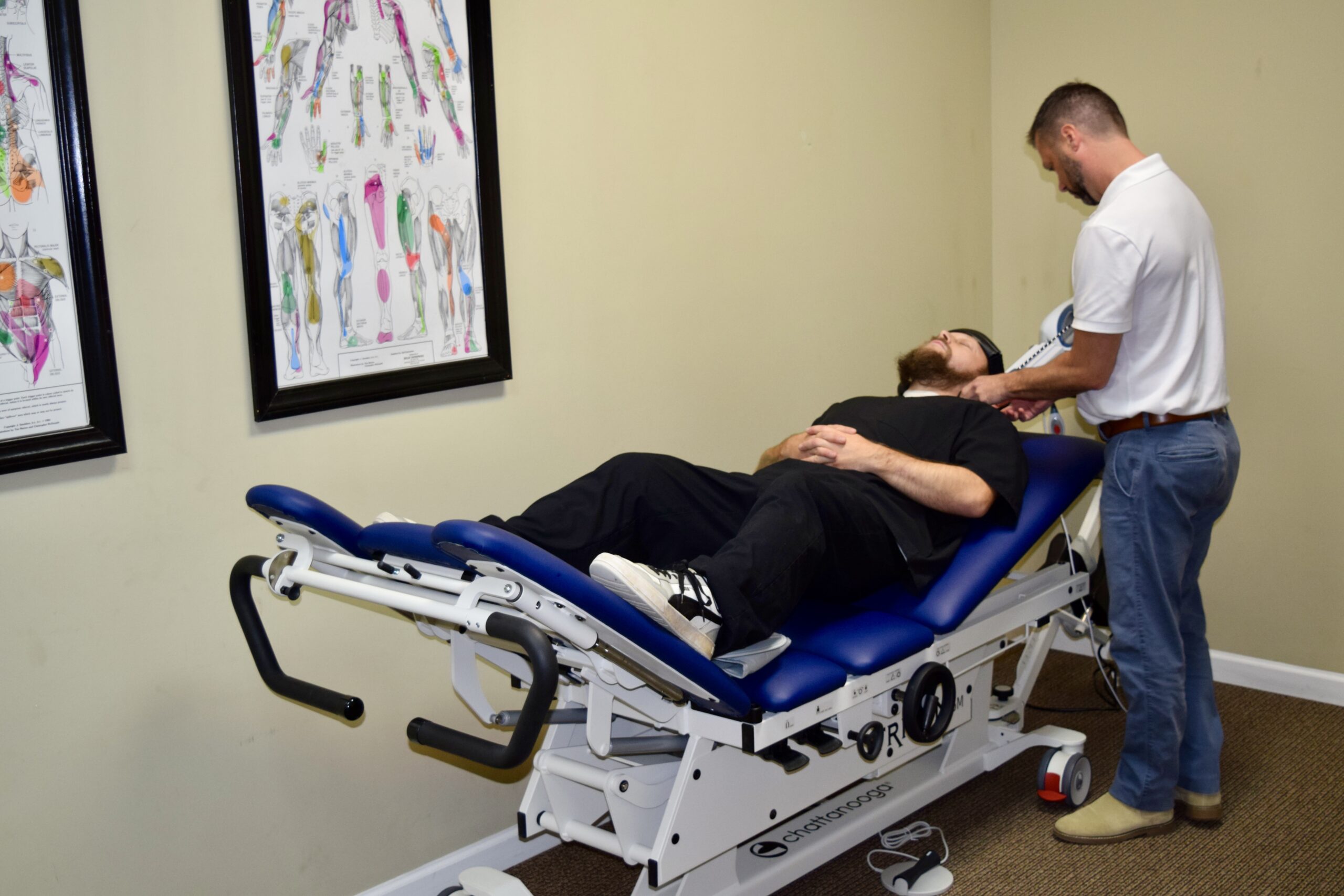
Spinal decompression is an advanced form of traction therapy. Using a specialized table, the spine is gently stretched in controlled intervals. This process is designed to:
- Reduce pressure within spinal discs
- Promote the movement of oxygen, nutrients, and fluids
- Ease irritation on spinal nerves
- Support the body’s natural healing processes
It is comfortable, relaxing, and performed fully clothed. Many patients even describe it as a “stretch for the spine.”
Is Spinal Decompression Safe?
Yes. Research and clinical use support spinal decompression as a safe, non-surgical therapy option.
Studies examining decompression have shown strong patient tolerance, consistent reports of symptom relief, and very low rates of adverse effects.
For example:
- A randomized controlled trial published in Neurological Research reported positive outcomes in patients with chronic low back pain receiving decompression-based therapy.
- Additional clinical studies, including large case series, have documented improvements in pain scores, mobility, and daily function in patients receiving decompression. It has become a valued option in chiropractic and rehabilitative care.
These findings reflect what many chiropractors observe in practice every day—patients commonly experience relief and improved comfort with regular sessions.
What Does the Research Say About Its Use?
While spinal decompression has evolved from older forms of traction, it is widely used today because it offers a gentle, structured approach to relieving disc and nerve discomfort.
Research highlights include:
A solid history of traction-based therapy
Traction has been used for decades, and modern decompression represents a refined, computerized version designed to enhance consistency and patient comfort.
A systematic review published in Pain Practice confirmed that motorized traction, including decompression, is used widely and supported by multiple clinical studies.⁵
Widespread professional adoption
A survey published in Dynamic Chiropractic found that 38% of chiropractors incorporate decompression into practice, reflecting its growing use and patient demand.
Who Benefits Most?
Patients often seek spinal decompression for:
- Herniated or bulging discs
- Degenerative disc issues
- Sciatica and nerve-related pain
- Chronic low back pain
- Facet joint discomfort
Because decompression is gentle and non-surgical, many people use it as a supportive therapy to complement chiropractic adjustments, exercise, and mobility work.
How Providers Help Ensure Safety
Licensed professionals follow careful protocols to ensure a safe and comfortable experience, including:
- Reviewing imaging and medical history
- Setting appropriate traction forces
- Monitoring comfort in real time
- Adjusting angles and cycles based on patient needs
Most patients find the sessions soothing—some even fall asleep during treatment.
The Bottom Line
✔ Spinal decompression is considered safe when performed by trained professionals.
✔ Many patients experience relief, improved mobility, and reduced nerve irritation.
✔ Research supports its use as a non-invasive, comfortable option for disc and nerve-related pain.
For individuals seeking a non-surgical, gentle, and supportive therapy for low back discomfort, spinal decompression remains a trusted and widely used solution.